


What to Plant, Month by Month
A quick, year-round guide to vegetables and flowers for real gardens across the U.S.
 Garden notes with Maya Collins
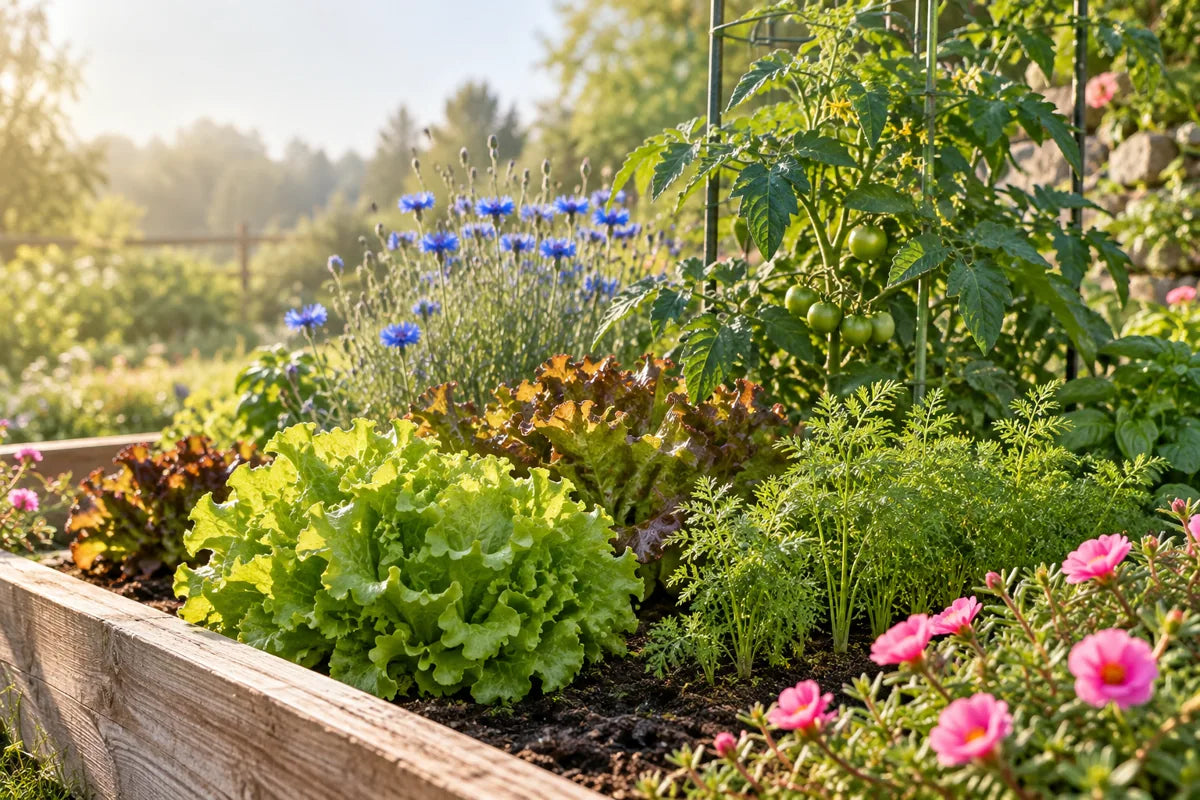
Pick your month. Then follow the condition that matches your garden today—frosty, mild, warm or hot. The same month can mean seed starting in Minnesota and outdoor planting in Arizona.
Winter · January–February
Work with your local winter: frozen soil or an active mild-weather garden.
January
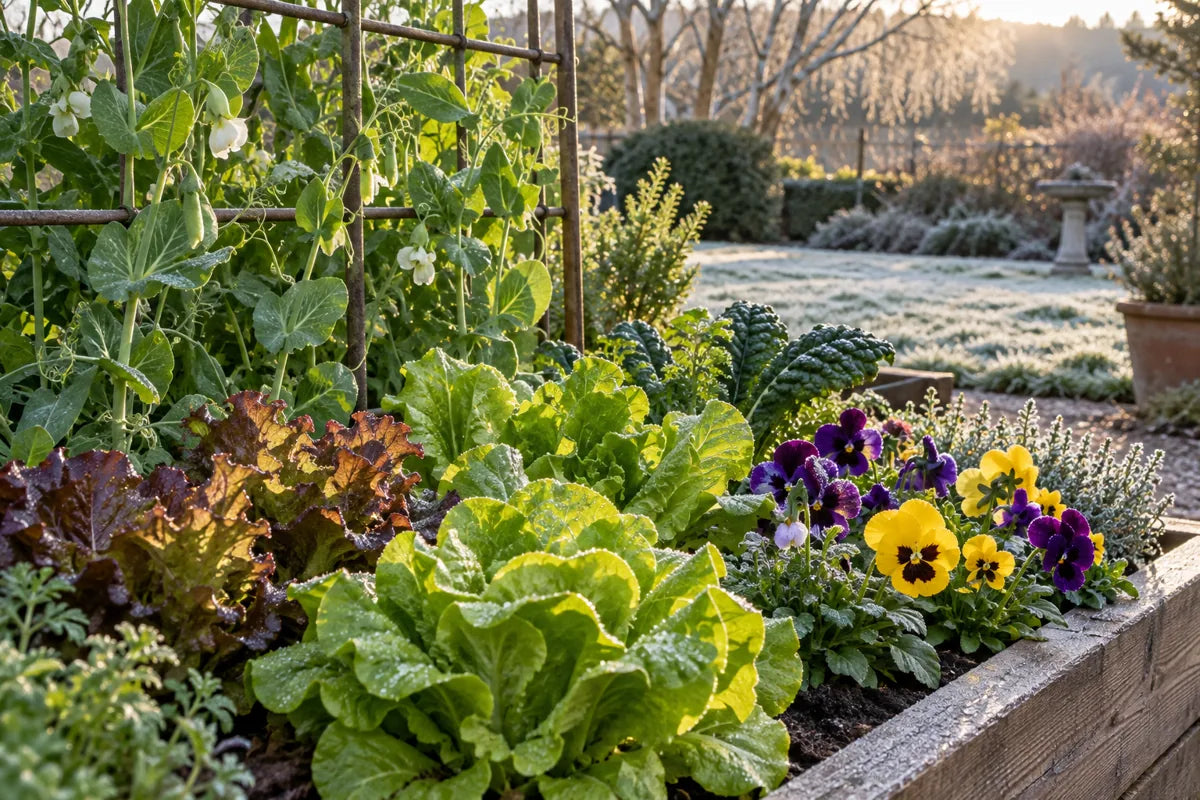
Plan beds; order lettuce, pea and tomato seed. Start no warm-season seeds yet unless your last frost is close.
Sow peas, leaf lettuce and radishes; plant pansies or calendula where local winter guides recommend them.
✓ Find your local last-frost date.
February
Start peppers indoors only if transplant time is roughly 8–10 weeks away. Keep a sunny window or grow light ready.
Sow peas, spinach and carrots; try snapdragons or calendula while days stay cool.
✓ Protect new plants on cold nights.
Spring
Start cool crops first; hold tender plants until frost has passed.
March
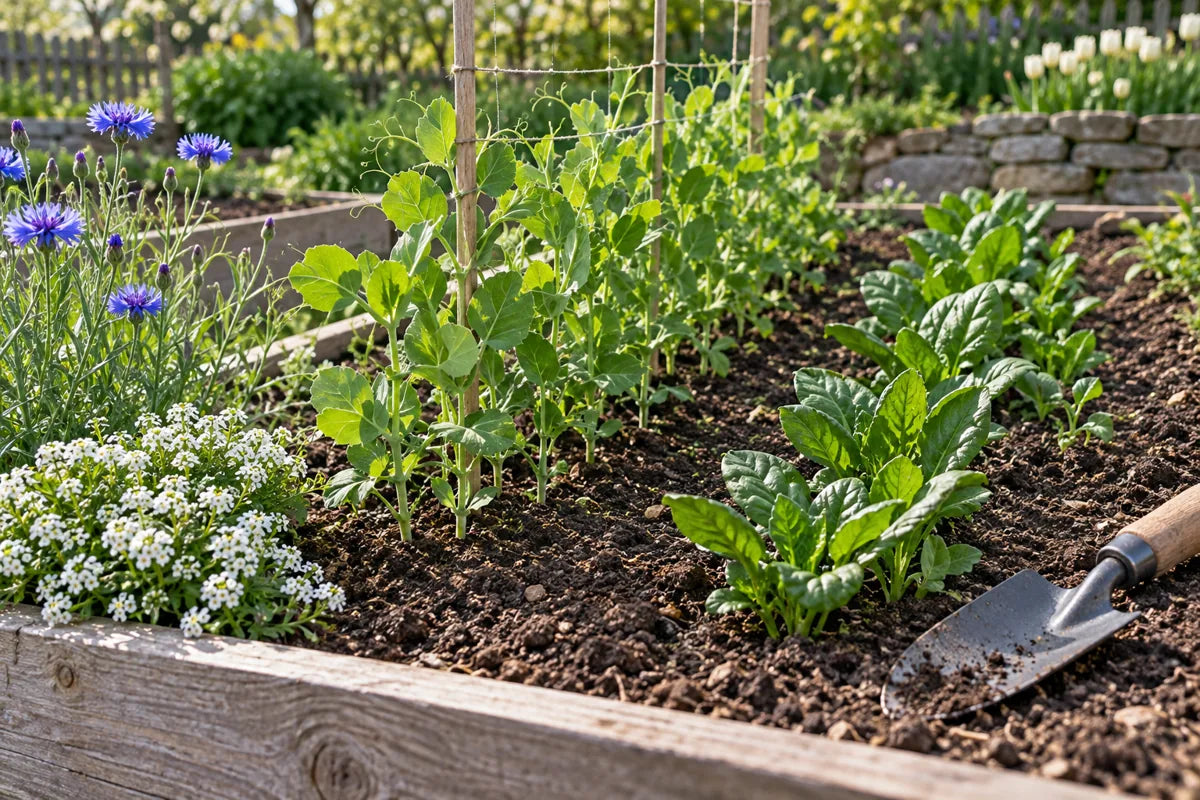
Direct-sow peas, spinach and radishes. Sow bachelor’s buttons outdoors where the packet and local extension allow.
Start tomatoes indoors about 6–8 weeks before planting out; in frost-free areas, begin warm crops as weather permits.
✓ Wait for safe nights before tender plants.
April
Sow lettuce, carrots and peas; add bachelor’s buttons or sweet alyssum for spring color.
Transplant tomatoes and sow bush beans; start zinnias or marigolds once the soil warms.
✓ Match the crop to your frost date.
May
Set out hardened-off tomatoes; sow bush beans, cucumbers and summer squash. For flowers, sow zinnias, sunflowers and moss rose.
Keep tomatoes and tender flowers protected or wait; use lettuce and radishes for now.
✓ Harden off indoor seedlings first.
Summer
Plant for warmth, then prepare for a second cool-season window.
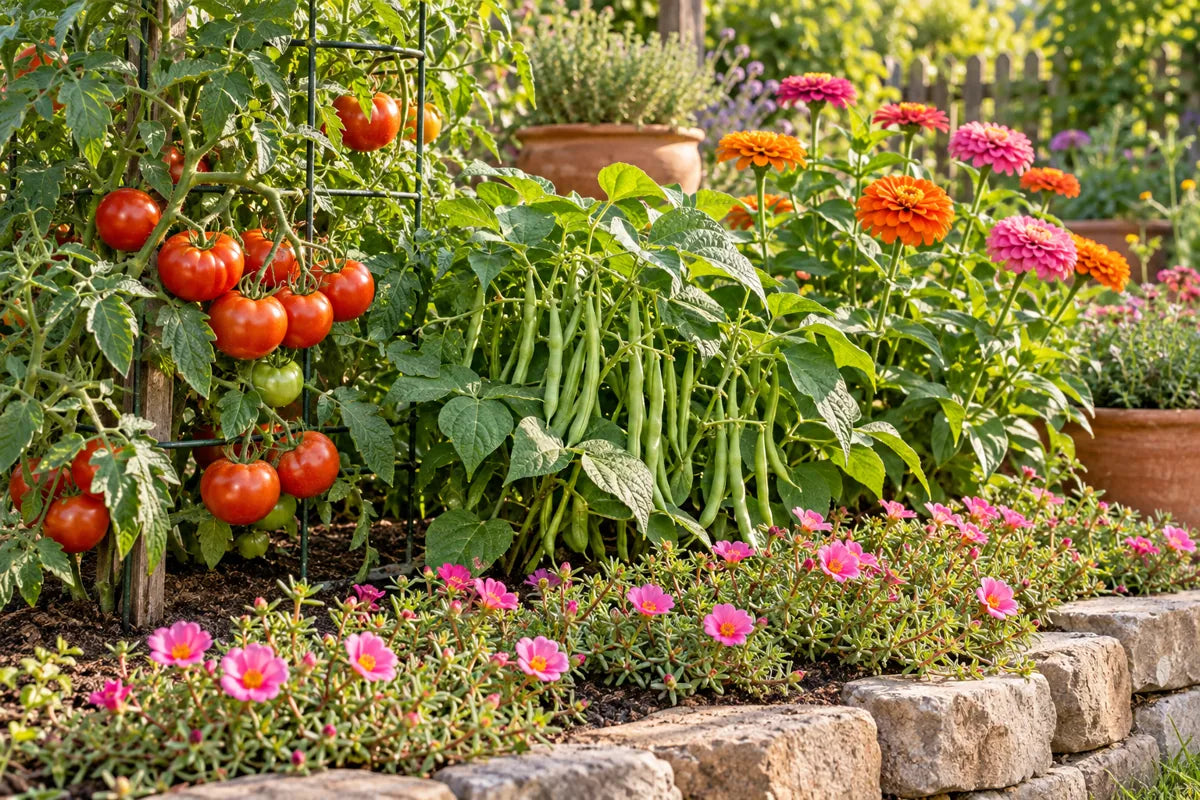
June
Sow another short-season batch of bush beans where the season is long enough. Try sunflowers, zinnias or moss rose.
Favor heat-tolerant okra and moss rose; water new sowings consistently and use shade if local advice calls for it.
✓ Check days to maturity before sowing.
July
Make a last small sowing of bush beans if harvest can finish before frost; keep zinnias and sunflowers growing.
Start broccoli or kale transplants indoors for a fall crop where your local calendar supports it.
✓ Count backward from first fall frost.
August
Sow radishes, spinach or lettuce for fall when heat eases; try calendula for fall color where timing allows.
Prepare space and start cool-season seedlings under shade or indoors; delay direct-sown greens until temperatures ease.
✓ Moisture matters during germination.
Fall
Watch the first frost; mild areas can keep planting.
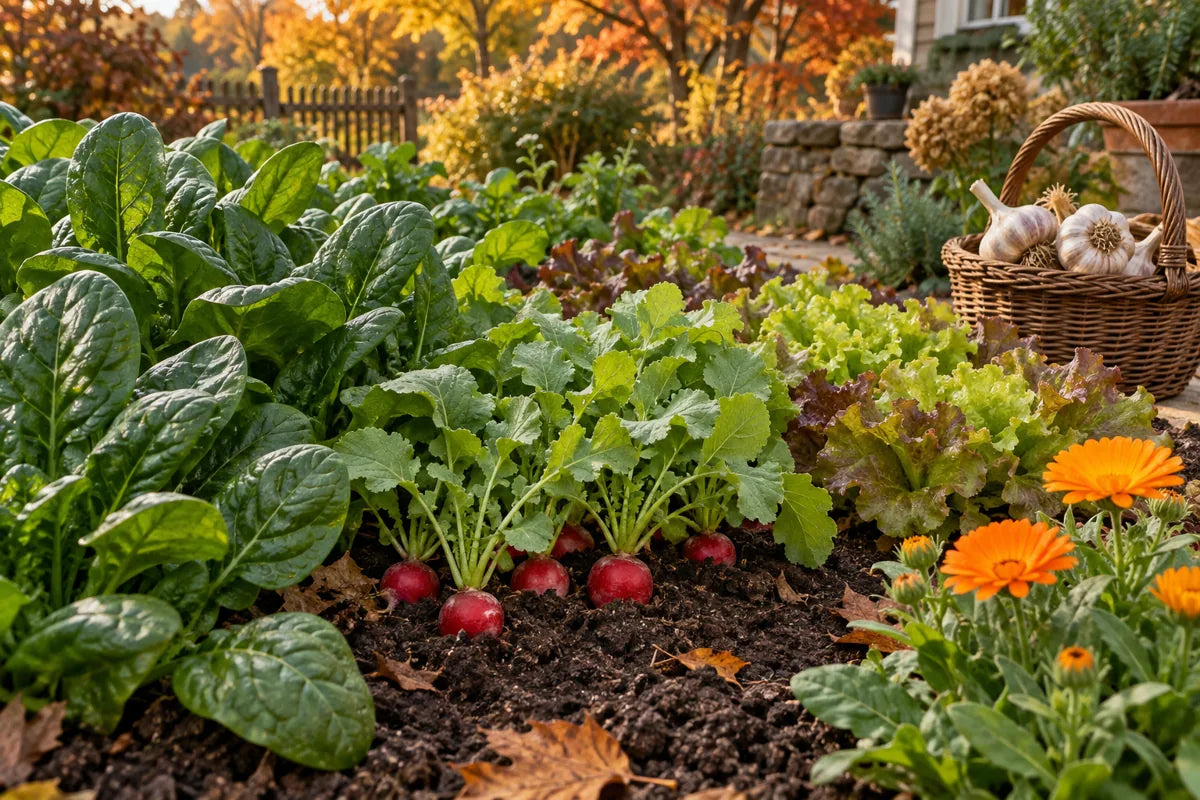
September
Sow quick radishes or spinach if enough time remains; plant spring-flowering bulbs as soil cools.
Sow lettuce, arugula, carrots and bachelor’s buttons for cool-season growth.
✓ Check first-frost timing.
October
Plant garlic cloves and spring bulbs before ground freezes; use a protected bed for late greens where practical.
Sow peas, lettuce and radishes; set out pansies or calendula for color.
✓ Plant garlic at your local fall window.
November
Finish garlic and spring-bulb planting; clear beds and plan next year’s rotation.
Keep sowing peas, lettuce and carrots; grow pansies or snapdragons in suitable local conditions.
✓ Cover tender seedlings if frost threatens.
December
Winter returns, with different options in freezing and mild regions.
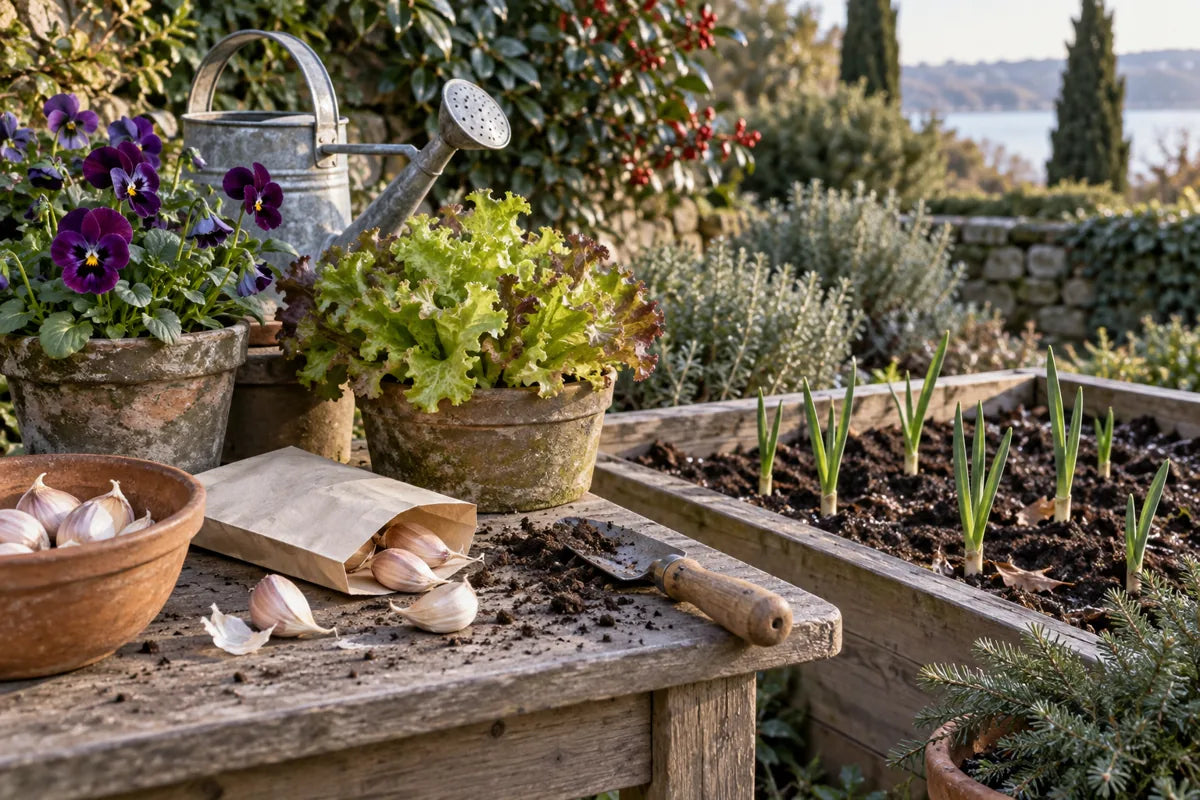
December
Review what worked, choose seed varieties and prepare a simple spring start list.
Sow lettuce, radishes, peas and carrots; plant pansies or snapdragons for cool-season color.
✓ Treat desert winter differently from northern winter.
Four useful picks from Gardenizi
Choose for the season you have
These are optional starting points for the windows above. Follow each seed packet’s directions and your local extension calendar for exact dates.
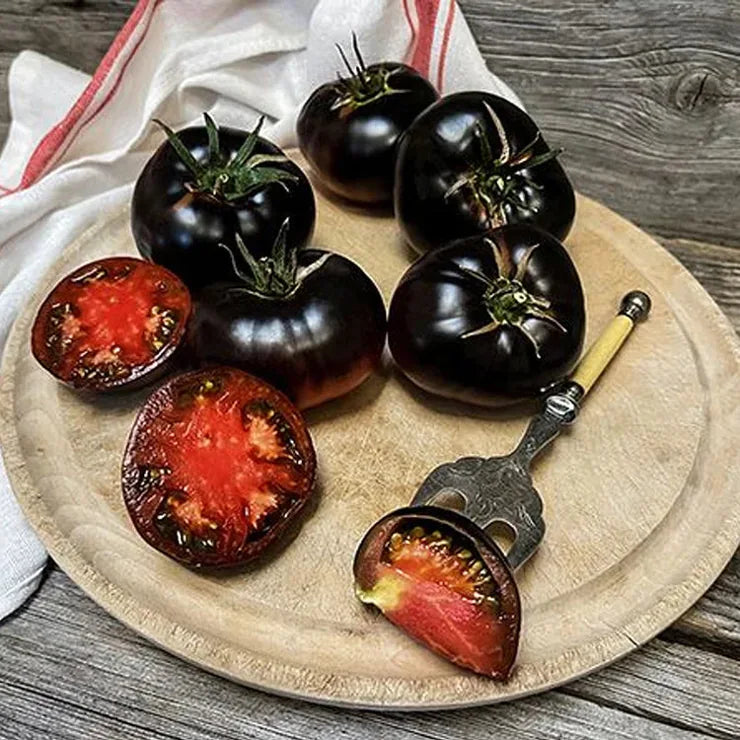
Black Pearl Tomato Seeds
Start indoors before your last frost; move plants outside only after cold nights pass.
View product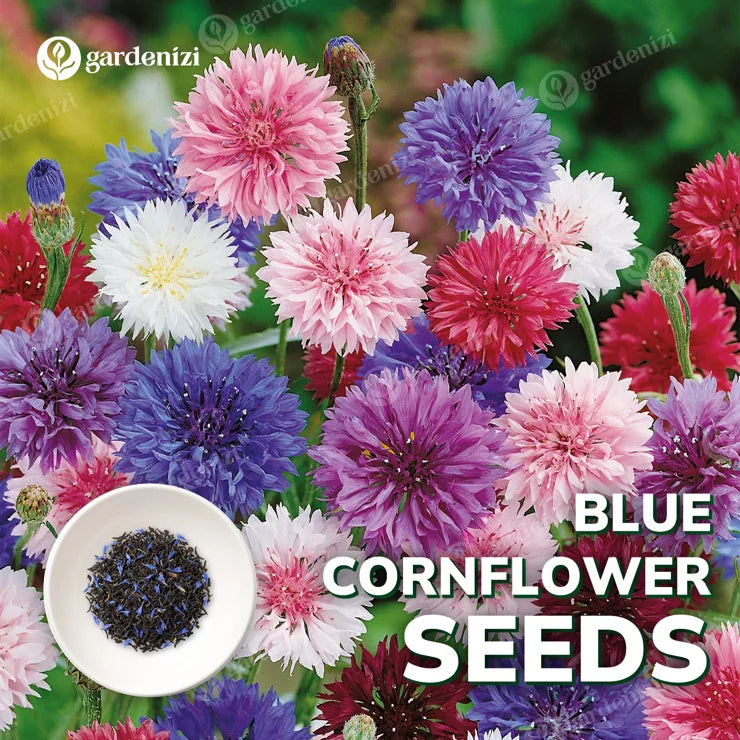
Cornflower (Mixed Color) - Bachelor Button Seeds
A cool-weather flower choice for spring or mild-winter sowing.
View product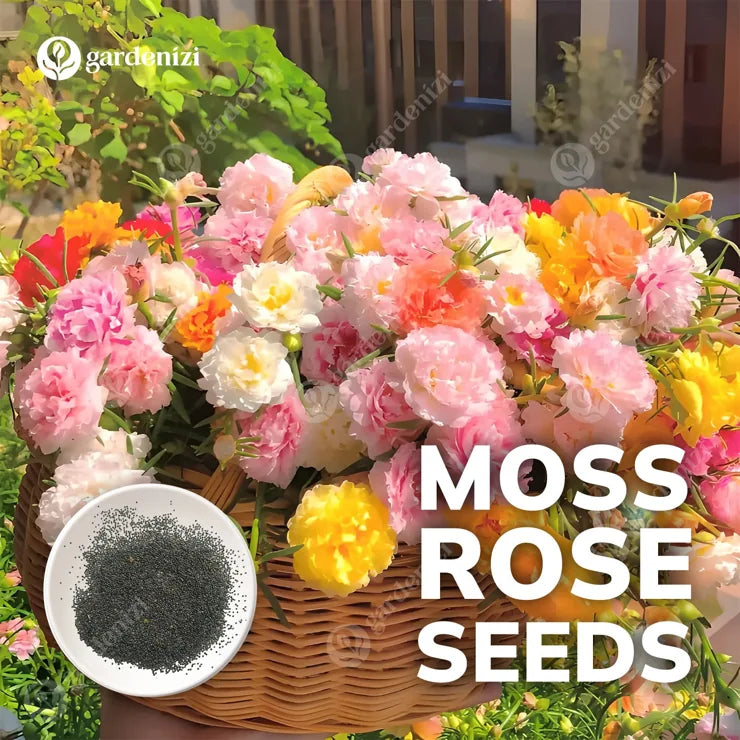
Moss Rose Seeds (Mix)
A sunny, heat-friendly flower for frost-free planting.
View product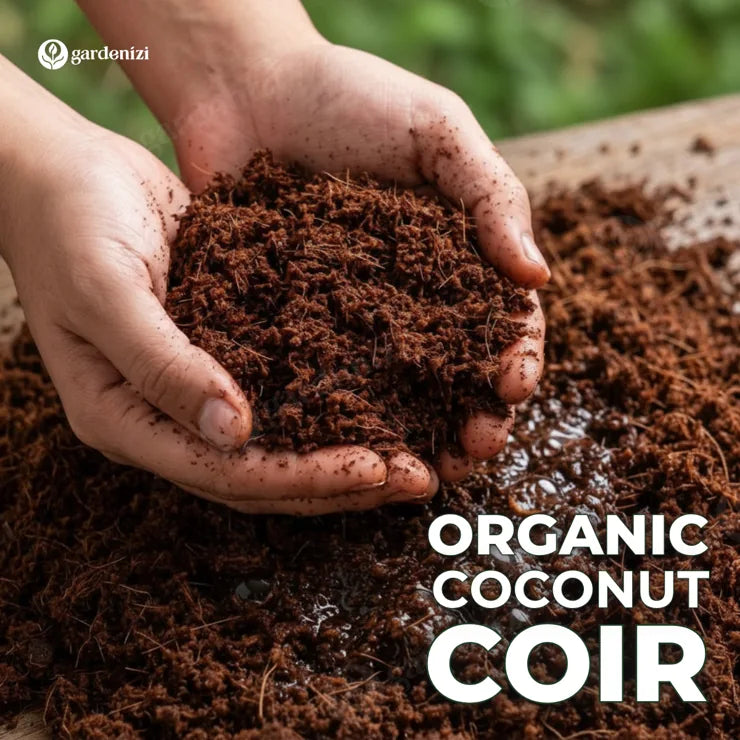
Organic Coconut Coir
A lightweight component for seed starting or container mixes; feed seedlings as needed.
View product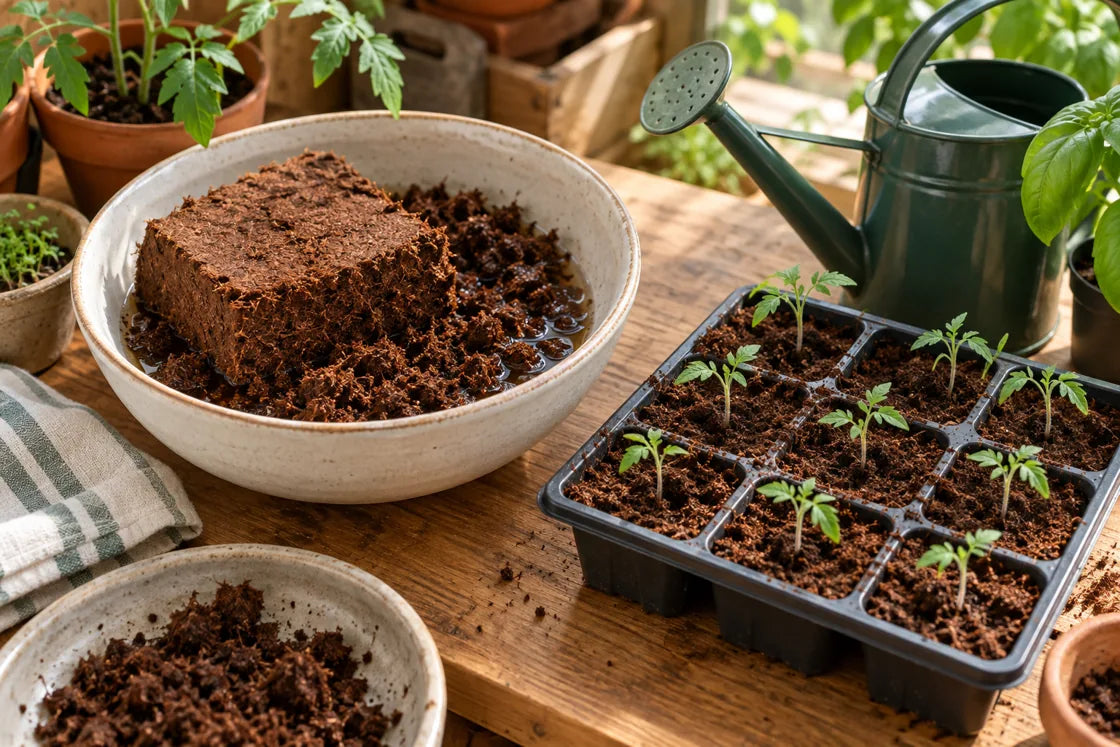
How coir fits into seed startingRehydrate according to the product directions, then use it as a component of a suitable seed-starting mix. Coir supplies structure and moisture retention, but seedlings still need light, water and appropriate nutrients. Image is illustrative.
Calendar examples are a starting point, not fixed nationwide planting dates. For precise local windows, check your county Cooperative Extension planting calendar and current weather.